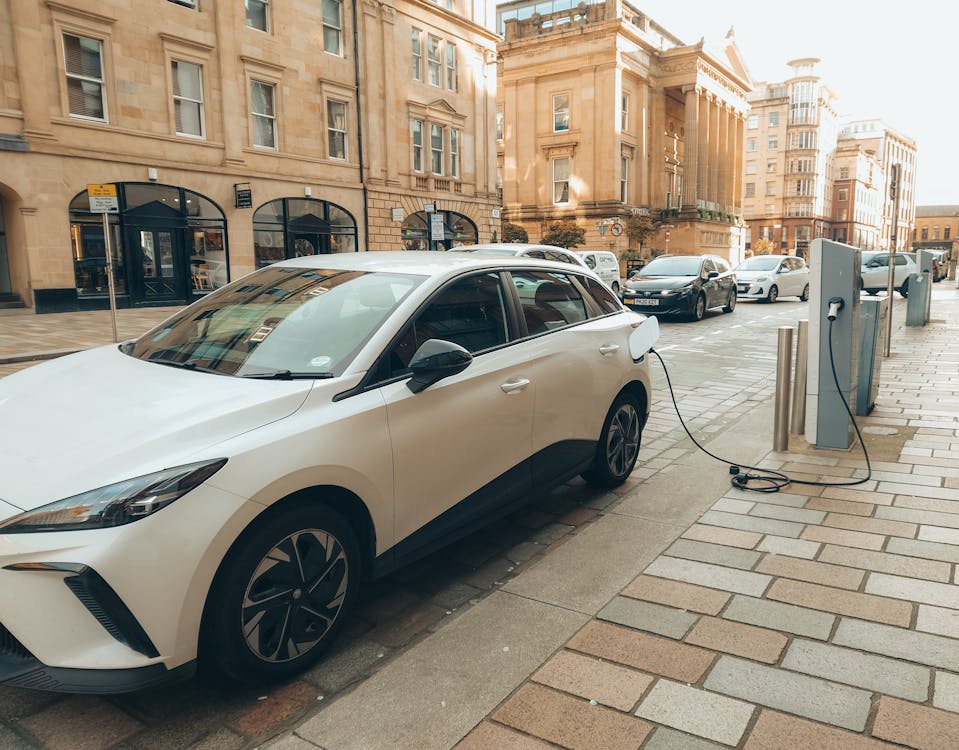
Electric cars have long been seen as the future of the automotive industry. However, despite their early promise, many electric vehicles (EVs) have disappeared from the market over time. In recent months, rumors and speculations about the revival of electric cars have started circulating. Let’s dive into the story of electric cars, the potential for their return, and the challenges they may face.
Introduction: Electric Cars’ Return
Electric cars have always held a special place in the hearts of automotive enthusiasts. While they have not always been a dominant force in the market, speculations and rumors have sparked interest in their possible return. The idea of electric cars making a strong comeback excites many, especially those who witnessed their popularity in earlier years.
History, Importance, and Cultural Impact
Electric cars may have been sidelined for a time, but their impact on culture and the automotive industry cannot be understated. Once a symbol of innovation, electric vehicles were popular in the early 20th century before internal combustion engines took over. The electric car’s unique qualities, such as being environmentally friendly and quiet, created a niche following.
Historical Overview:
| Year | Event | Impact |
| 1828-1839 | First electric vehicle prototype | Early interest in electric propulsion |
| 1990s | Introduction of modern electric cars | Rise in popularity and environmental concerns |
| 2010s | Tesla revolutionizes the market | Sparked mainstream acceptance of EVs |
| Present Day | Rumors of new electric models | Speculation about reviving classic EVs |
Current Rumors About Electric Car’s Return
In recent months, rumors have surfaced about the return of electric cars to the market, bringing hope to long-time fans. Here are the key claims surrounding their comeback:
| Claim | Details |
| New Features | Advanced battery technology, longer range, faster charging |
| Pricing | Competitive pricing to appeal to a broader market |
| Launch Date | Speculated to launch in 2026 or 2027 |
False or Exaggerated Claims
While excitement builds around the potential return of electric cars, many claims about their revival may be exaggerated or inaccurate. It’s important to separate fact from fiction to better understand what is realistically possible.
| Claim | Reality |
| “Electric cars will be cheaper than ever” | Battery production and R&D costs remain high |
| “They will be available by 2024” | Significant development and regulatory hurdles remain |
| “Electric cars will have no competition” | Major automakers are already ramping up EV production |
Obstacles to Revival
Reviving a classic electric car brand involves multiple challenges. Some of the key obstacles to its return include brand ownership, competition, regulatory requirements, and manufacturing limitations.
| Obstacle | Challenge |
| Brand Ownership | Whether the original brand or technology is still available |
| Competition | Established EV companies like Tesla, Rivian, and traditional automakers |
| Regulatory Requirements | Compliance with emissions standards and safety regulations |
| Manufacturing | The need for extensive resources to restart production |
Success Factors for a Comeback
The potential for electric cars to make a successful comeback hinges on several factors. Let’s break down these factors:
| Factor | Description |
| Nostalgia |
A resurgence in consumer interest due to fond memories of the original product
|
| Market Trends | Increased demand for electric vehicles and eco-friendly solutions |
| Consumer Interest | Growing environmental consciousness among consumers |
| Government Support | Potential subsidies and incentives for domestic manufacturing |
Defining a Modern Version of Electric Cars
If electric cars were to return, combining retro appeal with modern technology would be essential. Features such as sustainable battery life, modern safety features, and autonomous driving technology would be key to making the product relevant today.
Competitive Pricing for Market Viability
To be competitive in today’s market, electric cars must be priced in a way that attracts a wide customer base while remaining profitable. Here’s an example of how the pricing might look:
| Model Type | Estimated Price Range |
| Economy Model | $25,000 – $30,000 |
| Mid-Range Model | $35,000 – $45,000 |
| Premium Model | $50,000 – $70,000 |
Potential Market Impacts
The return of electric cars would create several market shifts, including increased competition and the revitalization of heritage brands. Here are some of the possible effects:
| Impact | Description |
| Increased Competition | More players in the EV space, driving innovation |
| Revitalizing Heritage Brands | Brands with history in electric cars could regain market presence |
| Promoting Local Manufacturing | Support for domestic jobs and production, reducing dependence on foreign manufacturing |
Conclusion: The Uncertain Future of Electric Cars
While it is still uncertain whether the rumors of electric cars’ return will come to fruition, their lasting impact on the market is undeniable. As interest in sustainable transportation continues to grow, there remains hope that these iconic vehicles could make a comeback. Whether or not this will happen remains to be seen, but one thing is clear: the excitement and potential for electric cars are still very much alive.




Leave a Reply