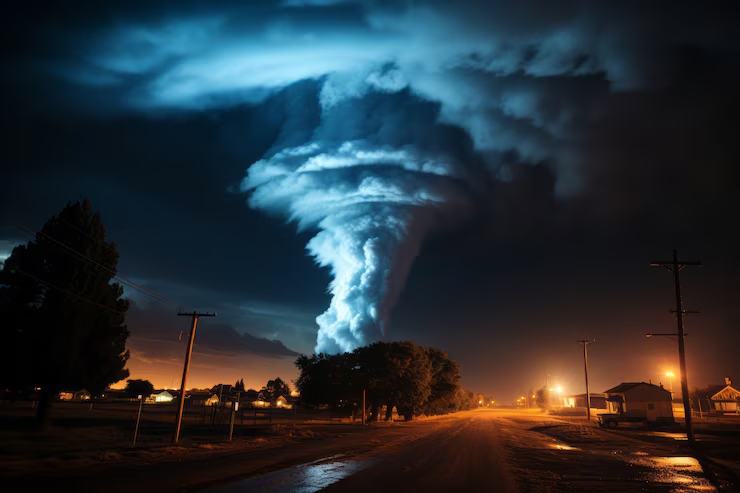
When severe weather strikes, preparation and timely information can mean the difference between safety and disaster. The recent St Louis tornado has brought attention to the increasing frequency and intensity of such natural events in the region. This article offers essential information, real-time updates, and actionable safety tips about the St Louis tornado, ensuring you and your family are ready for whatever comes next.
What Happened in the St Louis Tornado?
The St Louis tornado recently tore through several neighborhoods, causing widespread property damage, power outages, and sadly, multiple injuries. According to the National Weather Service (NWS), the tornado was categorized as an EF-3, with wind speeds exceeding 140 mph. Emergency services are continuing recovery and support efforts across affected areas.
Areas Most Affected:
| Area | Severity of Damage | Estimated Wind Speeds |
| North St Louis | Heavy | 140+ mph |
| University City | Moderate | 110-130 mph |
| Downtown St Louis | Light | 90-100 mph |
| Clayton | Moderate | 120 mph |
| Belleville, IL | Heavy | 135 mph |
Why St Louis Is at Risk
The St Louis tornado underscores a growing trend in tornado activity across the Midwest. The area’s unique geographical location places it in the path of several weather systems, making it susceptible to sudden and violent storms.
Emergency Preparedness for a St Louis Tornado
Create a Safety Plan
Every household should have a tornado safety plan in place. This includes knowing your nearest shelter location, keeping emergency kits ready, and maintaining access to weather alerts via apps or a NOAA weather radio.
Build an Emergency Kit
Include the following items in your tornado emergency kit:
- Flashlights and extra batteries
- Bottled water and non-perishable food
- First aid supplies
- Personal identification
- Emergency blankets
Real-Time Alerts and Notifications
Subscribe to alerts from the National Oceanic and Atmospheric Administration and local news agencies to receive timely warnings. Mobile apps like AccuWeather and The Weather Channel also provide push notifications tailored to your area.
What to Do During a Tornado
If You’re at Home
- Take shelter in the basement or an interior room with no windows
- Avoid doors and outer walls
- Protect your head and neck
If You’re Outdoors or in a Vehicle
- Do not try to outrun a tornado
- Find a ditch or low-lying area to lie down
- Cover your head and stay low
Recovery and Resources Post-Tornado
After a St Louis tornado, it’s important to stay informed about cleanup operations, insurance claims, and community assistance programs. Local government websites and disaster response organizations like the Red Cross offer vital support.
How Climate Change Is Affecting Tornado Patterns
Experts believe that climate change may be influencing the intensity and distribution of tornadoes. Warmer air temperatures and changing jet stream patterns could be contributing to the increased number of tornado warnings, including those related to the recent St Louis tornado.
Frequently Asked Questions (FAQs)
Q1: How often do tornadoes occur in St Louis?
A1: Tornadoes are not uncommon in the St Louis area, with a few reported each year. However, their severity can vary significantly.
Q2: What’s the best way to stay safe during a tornado?
A2: The best method is preparation. Know your shelter locations, stay alert to weather updates, and follow guidance from local authorities.
Q3: What category was the recent St Louis tornado?
A3: The tornado was categorized as an EF-3, indicating severe damage and high wind speeds.
Q4: Can climate change increase tornado activity?
A4: While research is ongoing, some studies suggest that changing climate patterns may increase tornado risks in certain areas.
Final Thoughts
The St Louis tornado serves as a stark reminder of nature’s power. By understanding the risks, preparing in advance, and staying informed through reliable sources, residents can significantly reduce their risk during future events. Don’t wait for the next siren prepare now and keep your loved ones safe.




Leave a Reply