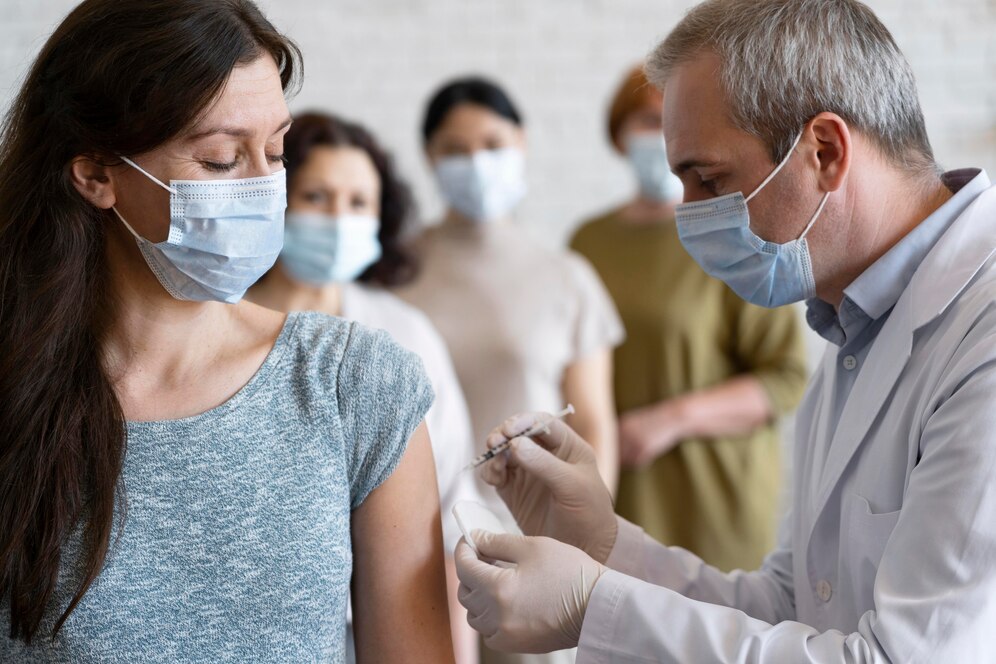
As we move into 2025, vaccinations continue to play a crucial role in safeguarding public health worldwide. While many diseases once thought to be eradicated are making a resurgence, vaccines remain one of the most effective tools for prevention. From childhood immunizations to flu shots and new vaccines developed for emerging threats, understanding how to stay protected is more important than ever.
This article will break down the key vaccinations recommended for 2025, including what they protect against, why they are necessary, and how new developments in vaccine technology are shaping the future of disease prevention.
Why Vaccinations Matter in 2025
Vaccinations are vital for individual and public health. They prevent the spread of infectious diseases, protect vulnerable populations like infants, elderly adults, and those with compromised immune systems, and can even lead to the eradication of certain diseases over time. Vaccines have been instrumental in reducing the burden of diseases such as:
-
Measles
-
Polio
-
Hepatitis B
-
Flu
-
COVID-19 (Still impacting public health globally)
In 2025, vaccinations are more accessible than ever, and new advancements in vaccine science have paved the way for even more effective and safer vaccines. Staying up-to-date with recommended vaccines is critical to maintaining personal health and contributing to herd immunity, which helps protect the community at large.
Key Vaccinations You Need in 2025
As we enter 2025, health experts recommend several vaccinations to protect against common and emerging diseases. Below are the key vaccinations you should be aware of:
1. Influenza (Flu) Vaccine
The flu remains a major concern every year, and the vaccine continues to be updated annually to target the most common strains circulating in the community. In 2025, the flu vaccine is still the best way to prevent flu-related hospitalizations, complications, and death. Everyone aged 6 months and older should get the flu vaccine annually.
-
When to get it: Ideally before flu season starts in the fall.
-
Why it’s important: The flu virus changes frequently, so annual updates to the vaccine are crucial in keeping immunity effective.
2. COVID-19 Vaccine and Boosters
While the world has made strides in controlling the COVID-19 pandemic, the virus continues to mutate, leading to new variants. Vaccines, along with booster shots, remain essential in providing protection against severe illness, hospitalization, and death from COVID-19.
-
When to get it: If you’re eligible, annual or biannual booster shots may be recommended, depending on your health status and local guidelines.
-
Why it’s important: Emerging variants could evade immunity, making booster shots important for maintaining protection.
3. Pneumococcal Vaccine
Pneumococcal diseases, caused by bacteria that can lead to pneumonia, meningitis, and bloodstream infections, continue to pose a risk to individuals, especially those aged 65 and older or those with certain medical conditions.
-
When to get it: Recommended for adults aged 65+ or younger individuals with high-risk conditions (e.g., chronic lung disease, heart disease).
-
Why it’s important: Prevents severe pneumonia and life-threatening complications from pneumococcal infections.
4. Human Papillomavirus (HPV) Vaccine
The HPV vaccine is crucial for preventing several cancers, including cervical, anal, and throat cancers. In 2025, the HPV vaccine is recommended for both boys and girls at ages 11 or 12, with catch-up vaccines for teens and young adults under 26.
-
When to get it: Early adolescence, with the option for catch-up vaccinations until age 26.
-
Why it’s important: HPV is one of the most common sexually transmitted infections and a leading cause of cancer worldwide.
5. Shingles Vaccine
For adults over 50, the shingles vaccine is an essential part of preventive healthcare. Shingles can cause painful rashes and long-term nerve pain, and the vaccine significantly reduces the risk of these complications.
-
When to get it: Recommended for adults 50 and older, typically as a two-dose series.
-
Why it’s important: Shingles can be debilitating, and the vaccine offers protection for years.
Innovations in Vaccination Technology
In 2025, the world of vaccinations is more advanced than ever. Researchers continue to develop more targeted and efficient vaccines, including mRNA-based vaccines and nanoparticle vaccines.
-
mRNA vaccines: These vaccines, such as the COVID-19 vaccines, provide instructions for cells to create proteins that trigger an immune response. Their flexibility allows for faster development in response to new viral threats.
-
Nanoparticle vaccines: These innovative vaccines use tiny particles to mimic the virus, training the immune system to recognize and fight off infections without the risk of getting sick.
These breakthroughs not only enhance the speed at which vaccines are developed but also offer better protection against emerging diseases.
How to Stay on Track with Vaccinations in 2025
To ensure you and your family are fully protected in 2025, consider the following steps:
1. Schedule Regular Checkups
Visit your healthcare provider regularly to review your vaccination history and schedule any necessary shots. This is especially important for children, seniors, and those with underlying health conditions.
2. Stay Informed About New Vaccines
As the landscape of global health changes, new vaccines are introduced to prevent emerging diseases. Stay informed about new developments in vaccines and discuss them with your doctor.
3. Adhere to Recommended Schedules
The CDC and the World Health Organization (WHO) provide comprehensive vaccination schedules that are updated annually. Be sure to follow these guidelines to stay current on vaccines, particularly for children and adolescents.
4. Use Digital Tools
Many healthcare providers now offer online portals where you can track your vaccinations and schedule appointments. Use these tools to ensure you never miss an important vaccine.
Global Vaccination Efforts in 2025
Vaccination efforts are not limited to individual health but extend to global public health. In 2025, international organizations like Gavi, the Global Fund, and WHO continue to focus on improving vaccine access in low-income regions. The global drive for immunization helps ensure that deadly diseases, such as polio and measles, don’t resurface in vulnerable communities.
Final Thoughts: The Importance of Vaccination in 2025
In 2025, vaccinations are more important than ever in preventing the spread of infectious diseases, safeguarding vulnerable populations, and promoting overall health. By staying up-to-date on recommended vaccines, you can ensure not only your own well-being but also help protect your community from preventable illnesses.




Leave a Reply